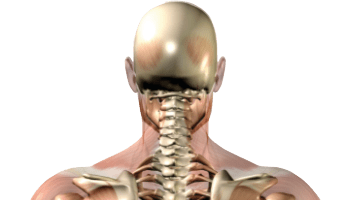
If you have ever been told you simply have “back pain”, you may have been left wondering what that actually means.
Back pain is one of the most common reasons people seek help from healthcare professionals. It affects millions of people and is a leading cause of reduced mobility, time off work, and disruption to daily life.
However, one of the most important things patients need to understand is this.
Back Pain is Not a Diagnosis – It is a Symptom.
Just like headaches or stomach pain, back pain is not a condition in itself. It is your body’s way of signalling that something is not functioning correctly. The pain alone does not tell us what the actual problem is.
Without identifying the underlying cause, treatment becomes guesswork. Pain relief might temporarily reduce discomfort, but the real issue may remain unresolved.
Understanding what is truly causing your pain is the first and most important step toward effective treatment and long-term recovery.
Back Pain is Not Caused by Just One Thing
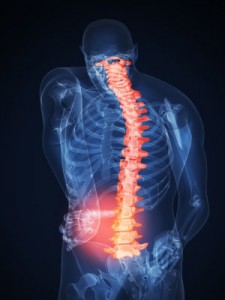
Lower back pain is rarely caused by a single issue. In many cases, it is influenced by a combination of mechanical, physical, and lifestyle factors.
Common contributing factors include:
• Poor posture
• Weak core muscles
• Tight hip and gluteal muscles
• Prolonged sitting
• Repetitive movements
• Poor lifting technique
• Stress and tension
• Lack of physical activity
• Sudden trauma or injury
Because there are so many possible causes, two people with “lower back pain” may actually have completely different underlying problems.
This is why the same treatment does not work for everyone.
Back Pain is Not Something You Can Treat Effectively Without Knowing the Cause
Many people try to manage back pain with quick solutions such as painkillers, anti-inflammatory medication, massage, or injections.
These approaches may help reduce discomfort temporarily, but back pain is not resolved by symptom‑relief alone. If the cause has not been identified, the problem often returns.
For example:
If the pain is caused by a muscle strain, rest and gradual movement may help with recovery.
If the issue is a bulging disc, aggressive stretching or deep massage could worsen symptoms.
If the pain is related to a fracture or inflammatory condition, a completely different treatment approach is required.
Accurate assessment is essential to determine what is really happening within the body.
Common Causes of Back Pain
Back pain can originate from a number of structures within the spine and surrounding tissues.
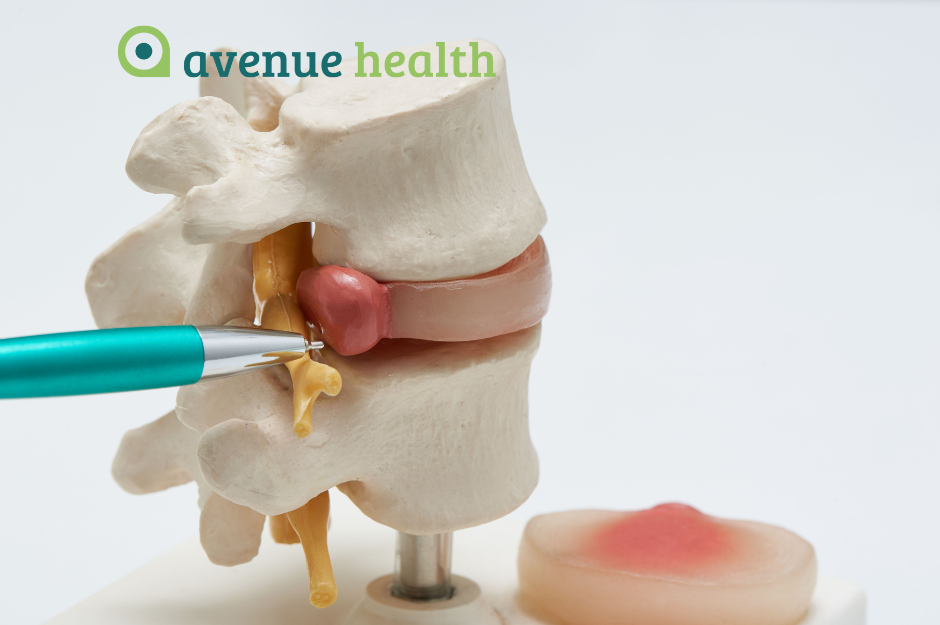
- Bulging or Herniated Disc
Between each vertebra sits a soft disc that acts as a shock absorber. Over time, these discs can weaken, bulge, or rupture and place pressure on nearby nerves.
This may cause localised back pain, pain travelling into the leg, tingling, numbness, or weakness.
However, disc bulges are also sometimes found in people with no pain at all — another reminder that back pain is not always explained by scan results alone.
- Fractured Vertebra
A fracture in the spine may occur following trauma such as a fall or accident, or due to weakened bones from conditions such as osteoporosis.
These injuries require medical assessment and careful management.
- Inflamed Facet Joints
Facet joints sit at the back of the spine and help control movement and stability.
These joints may become irritated through overuse, poor posture, or degenerative changes.
Facet joint pain is often described as a deep ache that worsens with standing, twisting, or arching the back.
- Muscle Strain
Muscle strain is one of the most common causes of back pain.
It can occur when lifting something heavy, twisting suddenly, maintaining poor posture, or when muscles are weakened through inactivity.
- Other Conditions
Not all back pain originates in the spine itself.
Conditions such as shingles can cause severe nerve pain before a rash appears. In rare cases, back pain may also be linked to serious illnesses such as cancer or systemic inflammatory conditions.
This is why unusual symptoms such as night pain, unexplained weight loss, fever, or neurological changes should always be assessed by a professional.
Back Pain is Not Always Coming From the Back – the Cause Is Elsewhere
An important concept in understanding back pain is that the location of pain does not always match the source of the problem.
Many people experience lower back pain that actually originates from tight gluteal muscles (the buttocks), hips, or pelvic structures.
When these muscles become tight or dysfunctional, they can pull on the lower back and create tension, stiffness, and pain.
Treating the spine alone will not fully resolve this type of problem. Treatment needs to address the surrounding muscles and movement patterns.
Why Imaging Does Not Always Provide the Full Answer
MRI scans and X-rays can sometimes be helpful, but they are not diagnostic on their own.
Studies show that many people with no back pain at all still have findings on scans, such as:
• Disc bulges
• Degenerative changes
• Facet joint wear
• Spinal narrowing
These findings may look concerning, but they are not always responsible for symptoms. This is known as a false positive.
A detailed case history and physical examination are often far more useful in identifying the real cause of pain.
Back Pain is Not Cured by Pain Relief Alone
Painkillers and anti-inflammatory medication can reduce discomfort, but they do not heal the underlying injury.
Pain relief is best viewed as a short-term aid that allows the body to move more comfortably while recovery takes place.
For example:
If weak core muscles are contributing to pain, medication will not strengthen them.
If tight hips are the cause, medication will not improve mobility.
If poor posture is contributing to strain, medication will not correct the movement pattern.
Recovery usually requires a combination of movement, rehabilitation, and addressing the underlying cause.
Pain Medication Can Sometimes Slow Recovery
Pain is a protective signal that tells the body when tissues need time to heal.
When pain is completely masked with medication, people may return to activity too quickly and overload injured tissues.
For example, someone with a strained muscle may feel better after taking medication and attempt lifting again too soon, which can worsen the injury.
Using pain relief carefully alongside appropriate rehabilitation is usually the most effective approach.

Back Pain is Not a Reason to Stop Moving Completely

Modern research shows that complete bed rest is rarely helpful for back pain.
Remaining gently active within comfortable limits can help maintain mobility, reduce stiffness, and support recovery.
Management of back pain often includes:
• Gentle stretching
• Core strengthening exercises
• Hip mobility work
• Posture correction
• Gradual return to activity
A personalised programme based on an accurate diagnosis is far more effective than generic advice.
When to Seek Professional Assessment
If you are experiencing persistent back pain, the most important step is to understand what is causing it.
A thorough assessment typically includes:
• A detailed case history of your symptoms
• Physical examination of movement, strength, and flexibility
• Functional assessment of posture and movement patterns
This allows treatment to focus on the true cause of the problem rather than simply masking symptoms.
Book an Assessment
If you are struggling with back pain, remember: back pain is not something you should simply “put up with” or manage on your own.
At Avenue Health, we focus on understanding the root cause of your pain through careful assessment and examination. This allows us to guide you towards the most appropriate treatment and recovery plan.
If back pain is affecting your movement, sleep, or daily activities, booking an assessment could be the first step towards lasting relief.
Book your appointment today and start the process of understanding and improving your back pain – Book Here
Institute of Osteopathy link to Back Pain